

It was a great honour to journey with these fishermen over night. The film and this piece of writing are dedicated in great thanks to them, to their inspiring faith and welcoming nature.
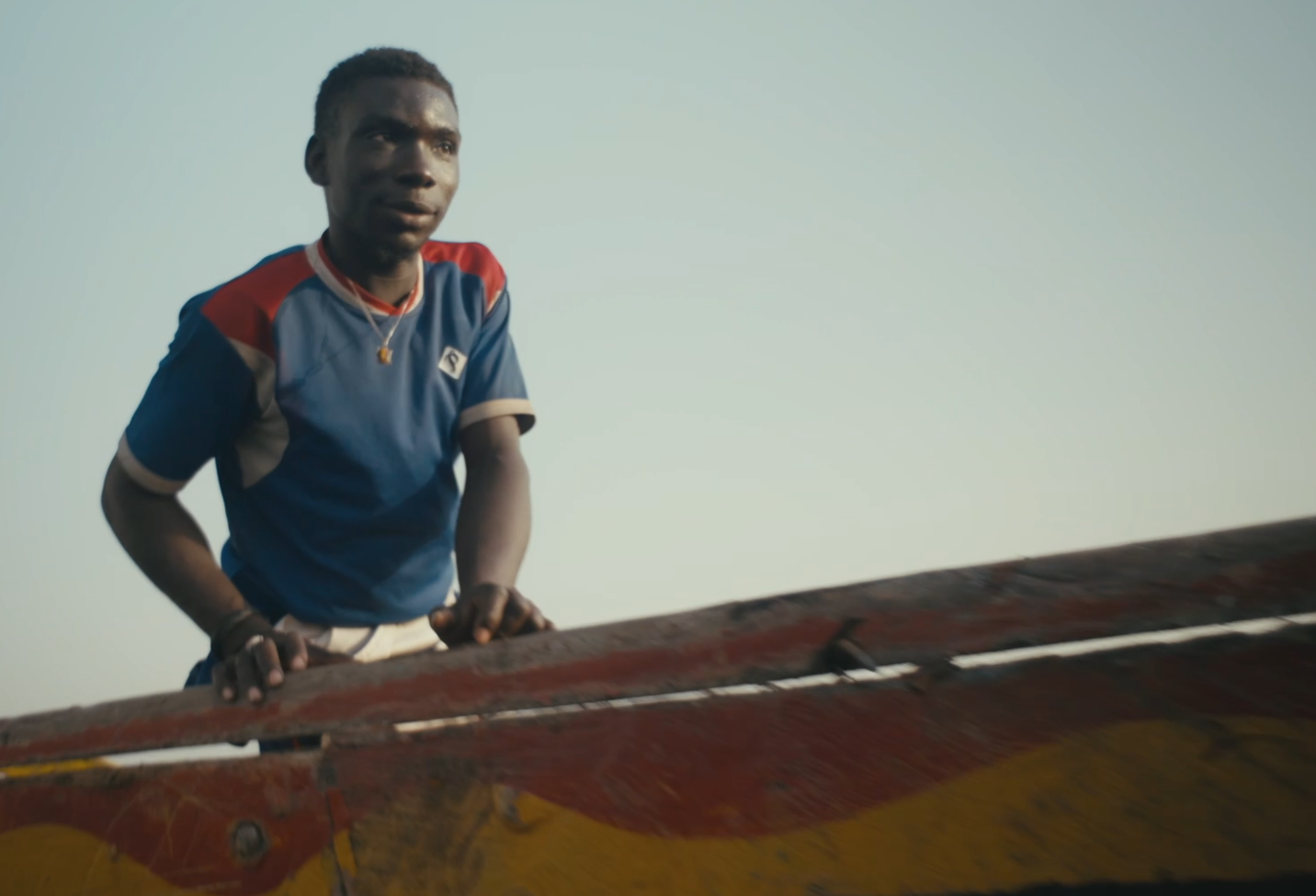
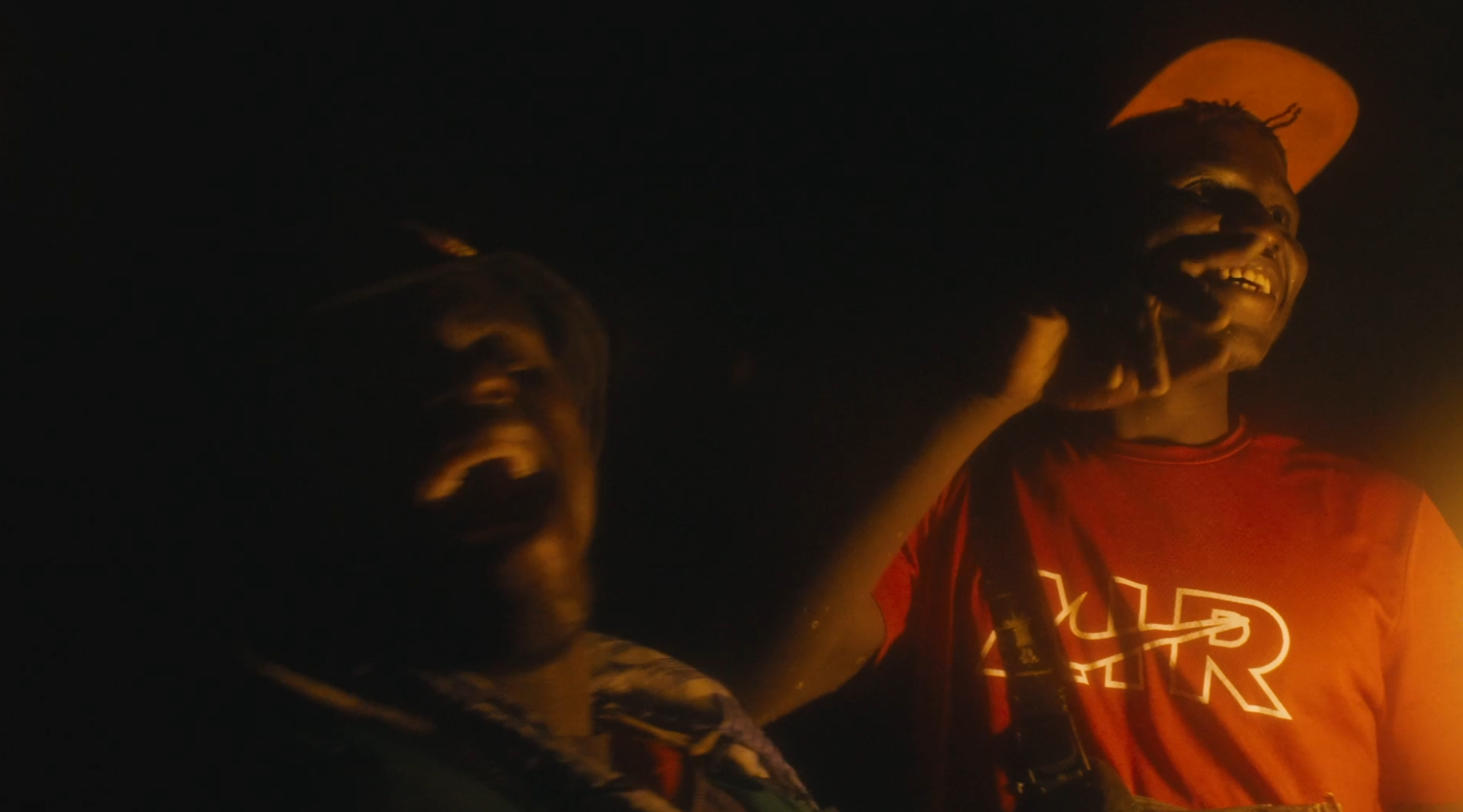
A young man sits in his dark bedroom. He has piercingly observant, soft eyes. He squats down on a plastic tub, his movements slow and deliberate, as if to maintain alignment with something unseen. Three other men are with him, each sat on their own plastic tub containing food, a plastic bag of water and cigarettes. The room has mottled brown walls, a rusted corrugated iron roof, 4 sacks of rice for a mattress and like an invisible ocean, rests a deep calm between them all. Out of his phone plays Bamba Tal's 'La ilaha illa Allah' (There is no God but Allah/There is no Reality but the Divine Reality), under their breath they are all singing together.
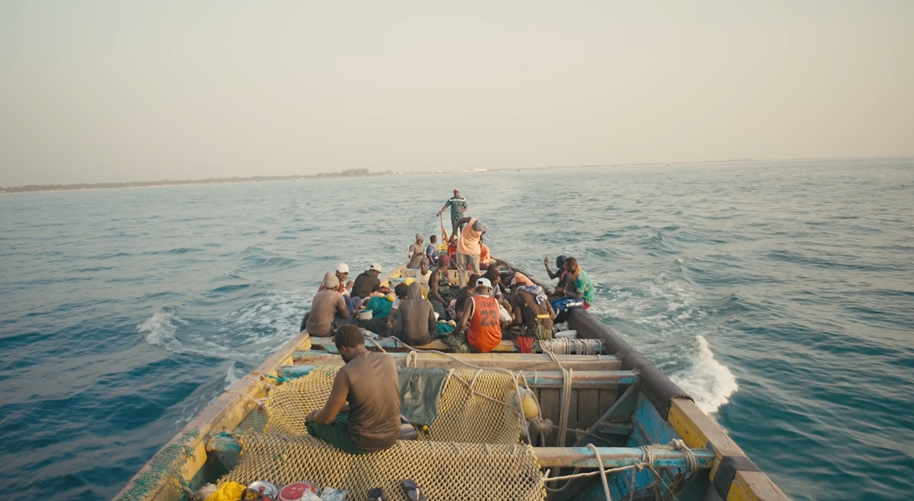
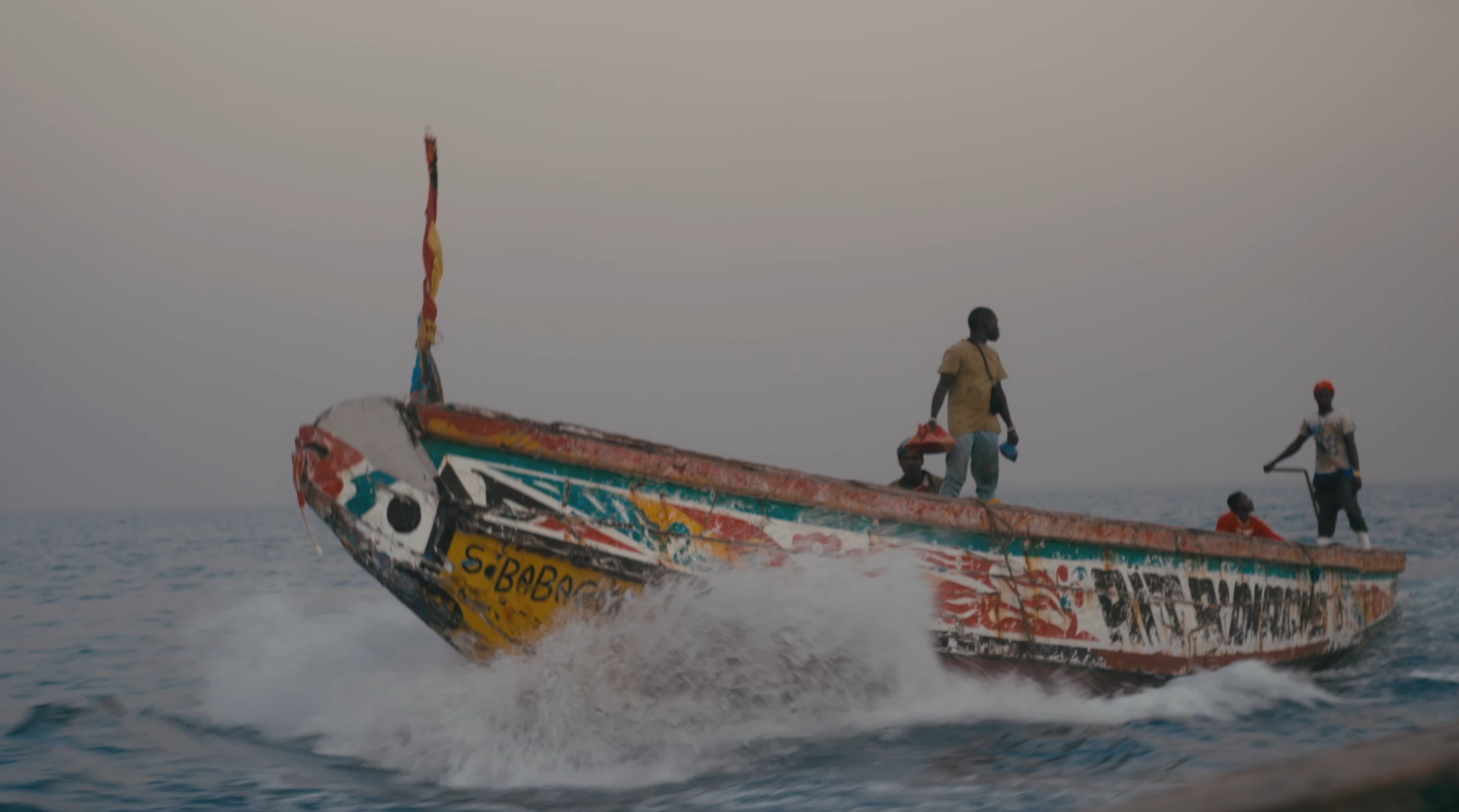
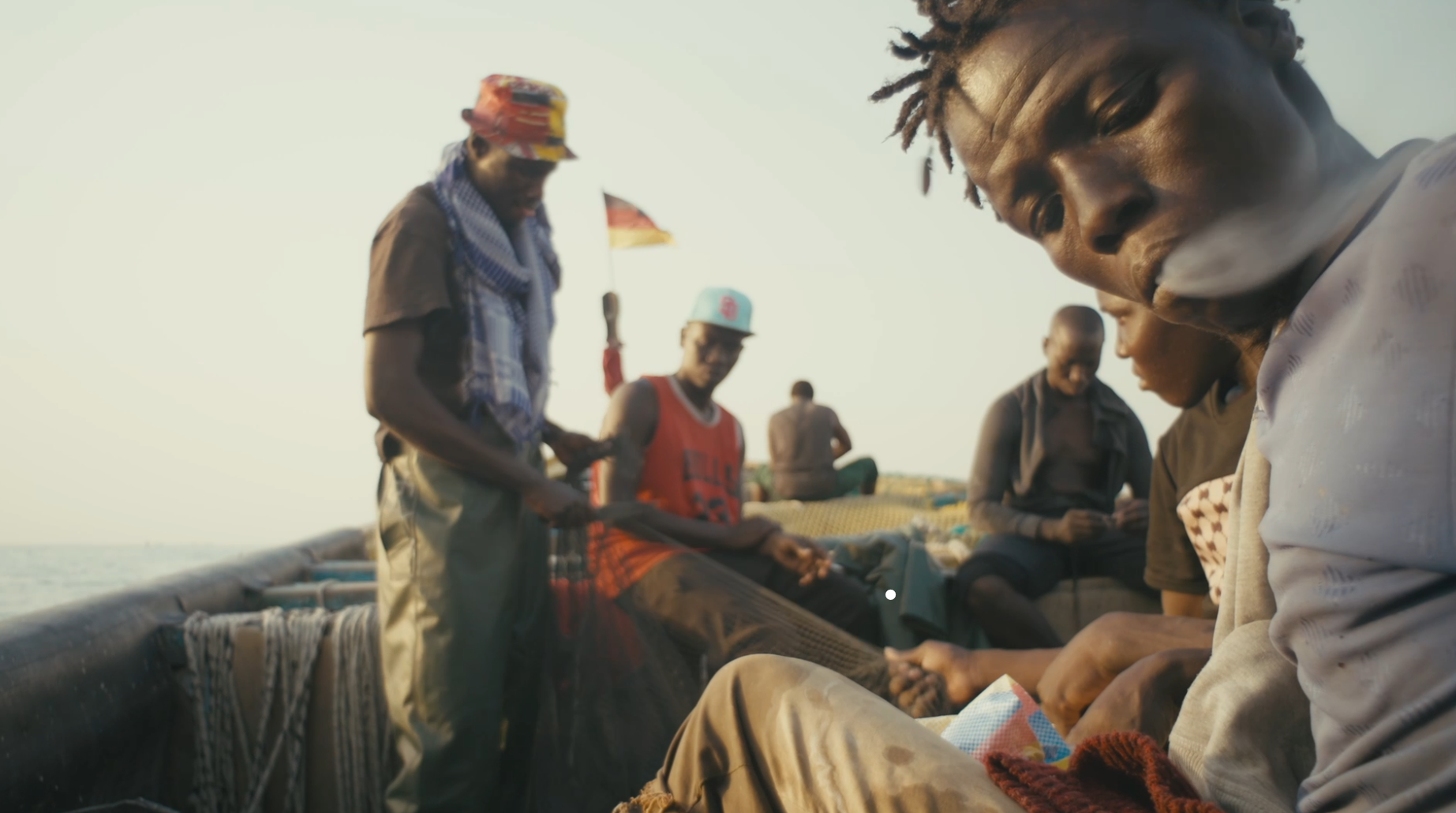
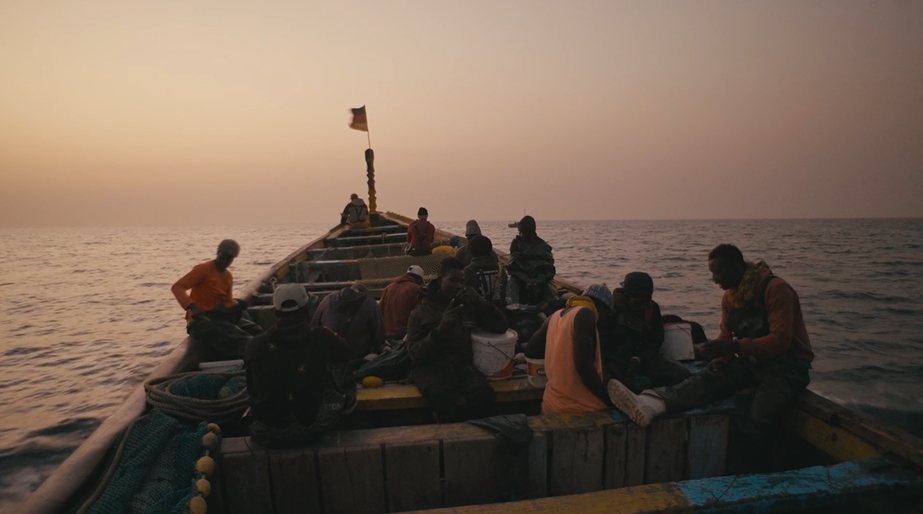
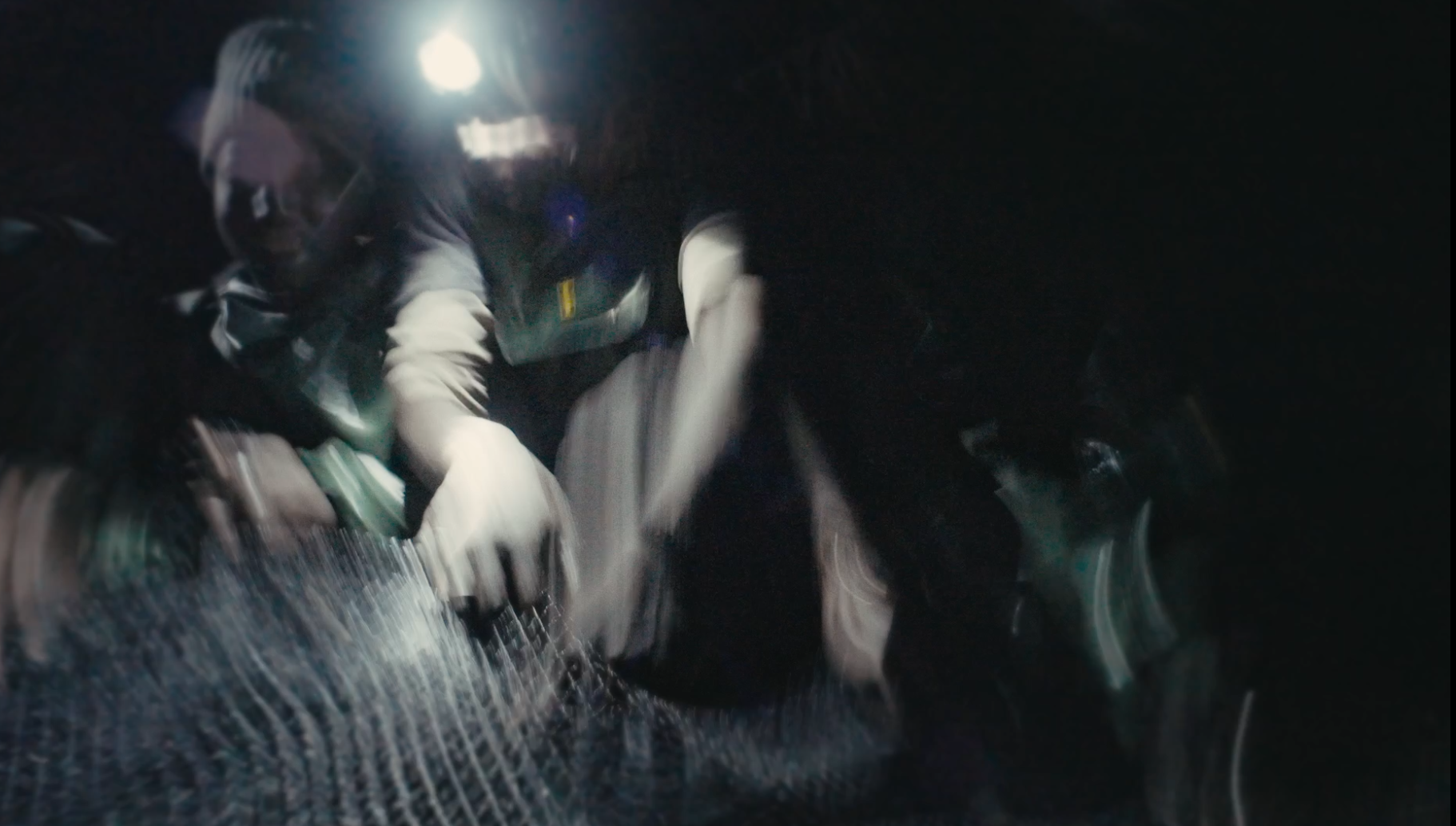
The market is bursting at the seams. Tattered fabric and tarpaulins, huge nets of all conditions piled into corners, fishermen collecting their rations for the night and heading towards the beach. Hundreds of painted wooden boats stretch out across the early evening gathering of sky and sea, the crew slowly groups together and climbs into a small boat which ferries them to their vessel. There are 28 people on the main boat and immediately many of them begin to pull through the 1 kilometre long net to find and fix holes. Some of them relax, roll a smoke, eat their dinner and prepare for the long night ahead. Weather permitting, they will fish every night that the moon is partially hidden. When the light is too bright they cannot distinguish between the reflection of the shoals or the reflection of the moon, and the fish can see the shadow of the boat.
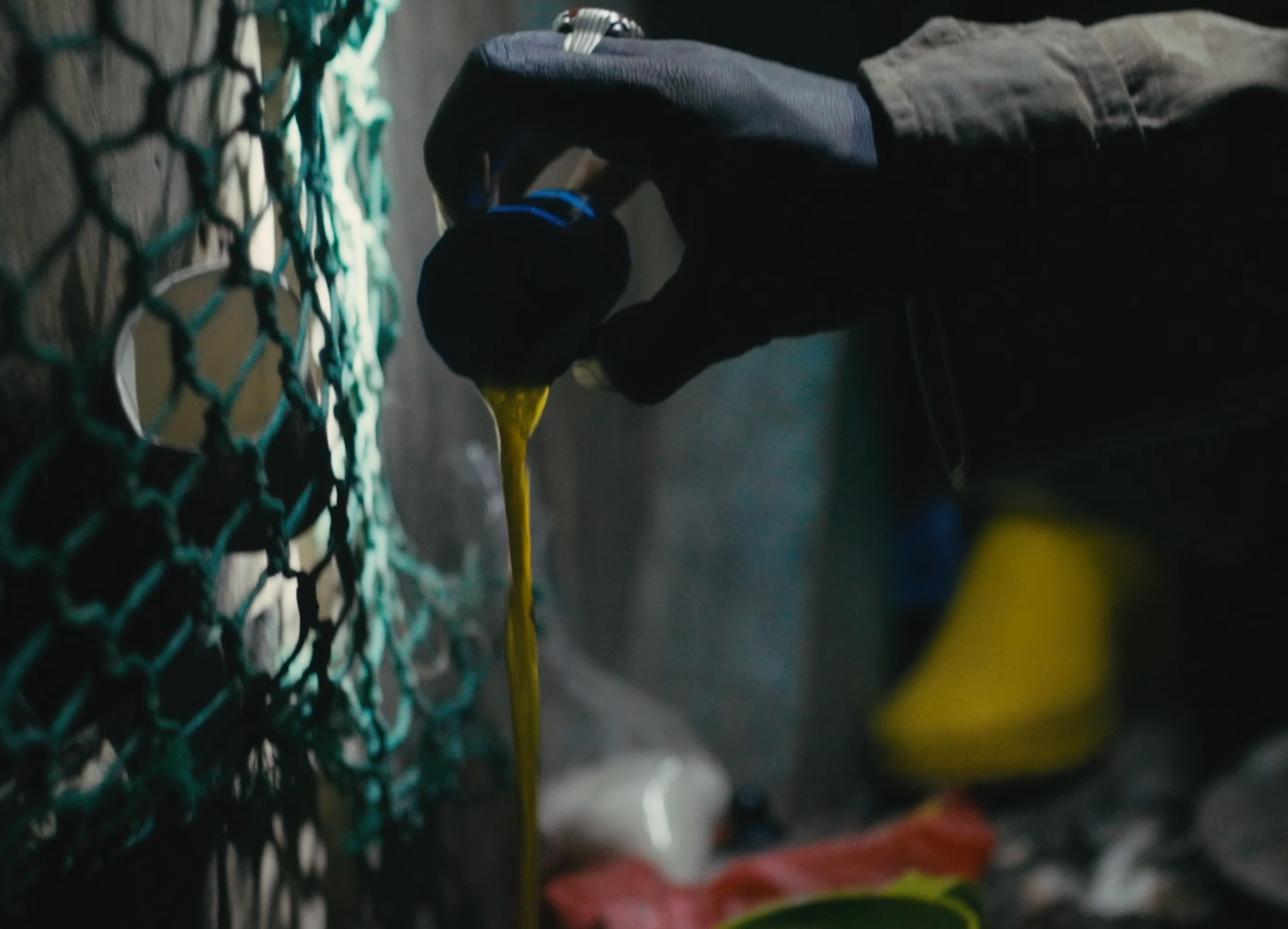
There is no GPS or fish-finder, no life-jackets or compasses onboard. Younger members of the crew begin bailing out water from the bottom of the hull and do so consistently throughout the trip. Those working physically seem to be between the ages of 13 and 35, the navigator closer to 60. For four hours the boat cuts and surges through the waves in a straight line 80-100 kilometers out whilst darkness slowly encroaches upon the ocean and it's wide sky. Ataya (green tea), the local specialty, is brewed with Nana (mint), Horrumpoleh (clove) and a healthy serving of sugar then poured back and forth between glasses to mix and froth. Cups get passed and shared between all members, often blended with instant coffee for added power. Back on land 3 or more cups are brewed from one packet of tea, diminishing in strength each time. Here they drink only the brew of the 1st and very strong 2nd.
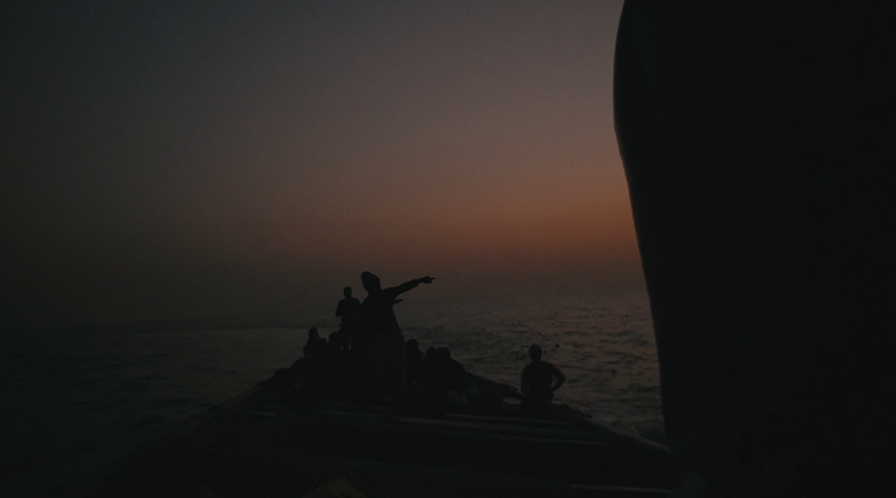
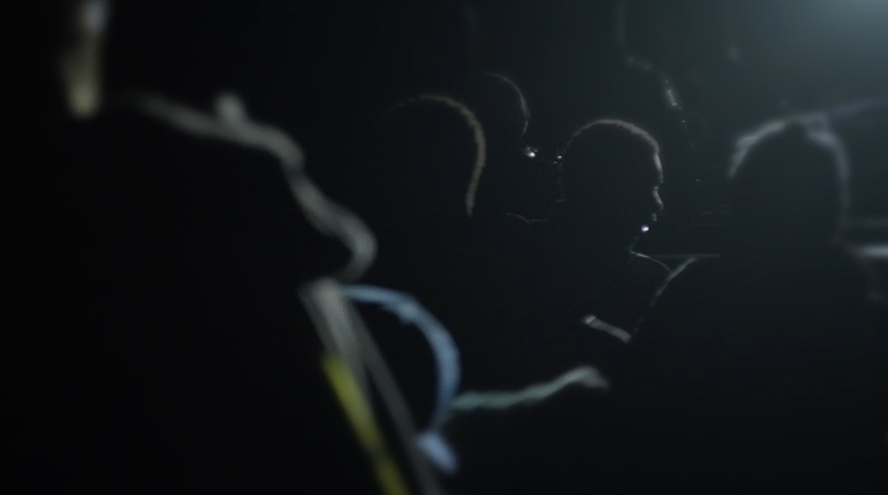
Following the navigators intuition, the search begins. All lights on the boat disappear in rapid succession for risk of scaring the shoals. At the front of the boat the navigator points his torch into the darkness above, flicking left or right, signalling the driver to change direction. Barely a word is spoken. All sit silently for many hours, some soak up the vast glowing web of stars above them, some curl into a ball between containers and anchors to rest, while some watch the soft blue bioluminescent wake slide away from the hull. Many of them pray during this time. Occasionally the silhouette of another blacked-out boat glides into view and away again, avoiding each other by mere meters.
All members of the crew are Islamic, they are part of a Senegalese Sect called the Baye Fall whose roots come from the great Amadou Bámba Mbákke and one of his most important disciples, Ibrahima Fall. The Mouridyya movement and the city of Touba in Senegal were founded by Amadou Bamba, whose story as a great Sheik and peacemaker is truly remarkable. Together, Fall and Bamba have been said to embody the core of the Mourides which is to work and to pray. For the Baye Fall work is truly sacred and of utmost importance, for work is prayer. An attitude like this can be hard to imagine as a westerner, our vision of the ideal life often rooted in not having to work, but for this crew it would be a blasphemy to withdraw from. The atmosphere on other boats was radically different to this one. This particular crew only had mostly older men, so the attitude towards work remained calm and clear, still rooted in the core principles of Fall and Bamba. However most of the younger fishermen I've met in Kafountine suffer in their work and would do anything to leave for Europe or another opportunity.
Screams from the navigator pierce the silence signalling the sighting of fish and the crew moves as one. The float at the end of the net is thrown off the side and the engine is kicked into a higher gear. Heavy rattling, machine-gun like sounds from the floats and net being ripped out of the boat and into the water. Crew members unfold and shift the nets position in total darkness with more screaming from the navigator as he steers the boat to circle the shoal, all within two minutes. The boat is then still, the ends of the net have been connected and the singing begins. A second boat arrives and stops by the side, wood slamming against wood in the middle of the ocean, extra hands cross onto the main vessel, grabbing the ropes of the net and together they begin to pull.
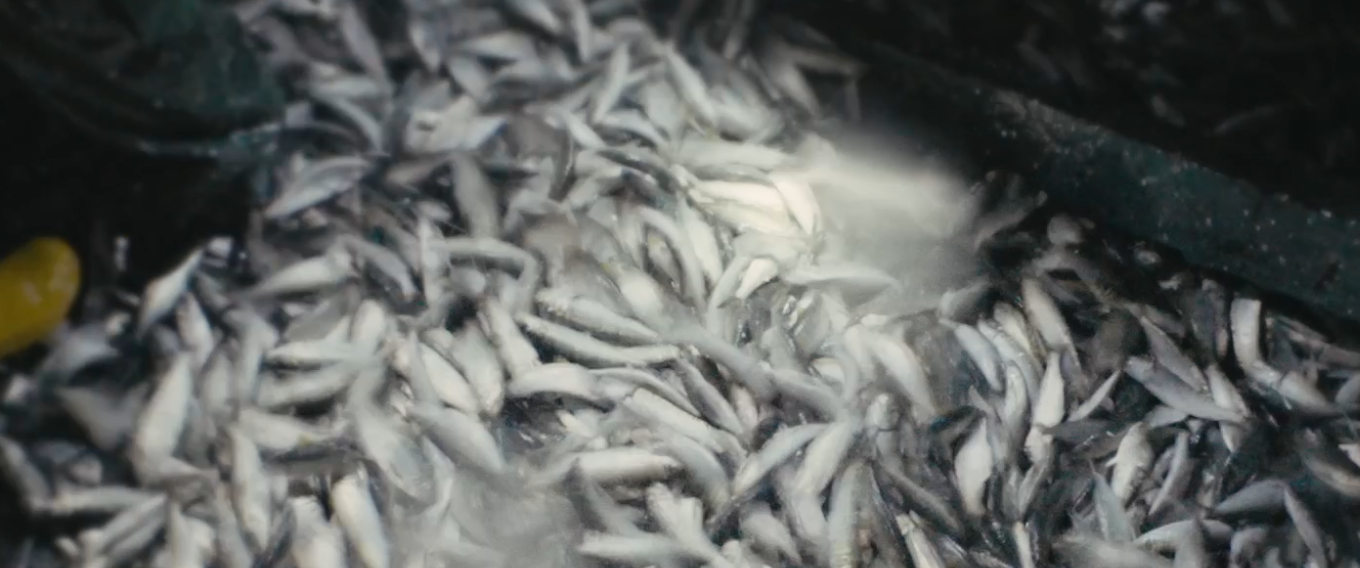
Throughout our world human beings have sung together whilst working for power, for rhythm, for togetherness and to praise that which we hold dearest. This has been forgotten in so many places, but not on these boats. It takes between 3 to 7 hours to pull the net all the way in and lift the fish into the second boat, for the first and main vessel is filled with the folded net and fishermen. They sing of Amadou Bamba, Moses, Mohammed, they call to the fish, combining songs that they know with fully improvised call and responses. Sometimes in a state of ecstasy, trance and other moments simply brothers in arms.
A younger member of the crew, exhausted and cold, huddles against the hull, unable to continue. One of the stronger members, a ruthless worker and instigator of songs, notices and drops his handfuls of net instantly. He leaps over, wedges his huge body between the boy and the barrels of petrol and begins to sing to him. "There is no God but Allah, this is our duty, we are Baye Fall" again and again. The boys eyes slowly widen, and he begins to sing. Then he stands, grabs his portion of the net and works tirelessly till there is nothing left to do.
After the trance of singing and exertion the soft light of dawn climbs into the sky. Filled with fish, the second boat now sits low in the water and rides alongside the main vessel homeward. Some of the crew sleep, lying on wooden planks with plastic buckets for pillows, some rekindle the fire and cook fresh fish for breakfast. Many stare into the coming light, preparing themselves for a few hours of rest on solid ground before they rise and return to sea once again. As the shore comes into view a huge white Chinese factory is visible on the beach, slam in the middle of the vibrant coastal town with local market stalls and smokeries. These factories are sprawled along the Senegalese and Gambian coastline, buying fish in bulk from local fishermen, mashing it into pig feed for China and salmon feed for farms in Scandinavia and Scotland. This makes fish more expensive for local people leading to many families now struggling to afford to buy fish which has always been a key component of their diet. The waste product released by these factories is also damaging and the smell is horrendous, polluting the sea close to the shore. With all the overfishing from both the local people - due to factory and local demand - and the competing industrial trawlers deep in international waters, the situation is becoming increasingly tense. It must be made clear that a single international trawler can catch the same amount of fish in a single day as 50 local boats do in 1 year.
It's 10am and welly boots land on sand, by 5pm this very day they will be back on the boat again.
As far as jobs go in the Casamance Region they receive a decent pay, but this is only if they find fish. Each night they have no idea how much they will be paid, so experience very little security. From this night - and it was a big catch - most crew members would have received around 4,600 CFA (Céfa) which is around 4 pounds (exchange rate at the time of writing). If they are the driver or a particularly strong member who leads others they will receive 2 shares which is 9,200 CFA or 10 pounds. Sometimes they will come back with nothing. Many of the fishermen have problems with the captains and 'accountants' doing the books on the shore, mentioning how often they are taking extra money or fish and paying the crew far too little. It is also common for the fishermen to pocket a fish whilst the captain isn't looking, which speaks for itself.
After three nights out on the boats, twice with my camera and once without, reality sets in regarding how hard this work really is. They work 3 weeks on, 1 week off. It feels almost impossible, and still there is a yearning to join them again and again.
The second night was stormy, waves crashing and boats slamming against each other, there was angst and frustration, shouting, fighting, all followed by another large catch.
A few days later whilst spending time with Khalil (my first connection to this crew and the man in his bedroom at the start of this writing, to whom I feel great gratitude) I learnt that one man from the crew had left and moved to Mauritania. Apparently it's known that you earn more money as a fishermen there as the distribution is more fair. This man had not only left his crew but also his own father who was the navigator and captain of his boat, a complex situation indeed.
Thank you for taking the time to watch and read. If you have any comments or responses to this work please send them to my email: jack@murmurcollective.co.uk. Next time I am lucky enough to meet these fishermen again any messages will be shared with them, and many laughs will be had.